Wasp & Bee Control in Dana Point, CA
A nest in the eaves or a swarm on the property? A local exterminator removes wasp nests and handles bees safely, so you can use the yard again. Call to describe what you are seeing.
- Dana Point & South Orange County
- Family & pet-conscious methods
- Inspect, treat, prevent
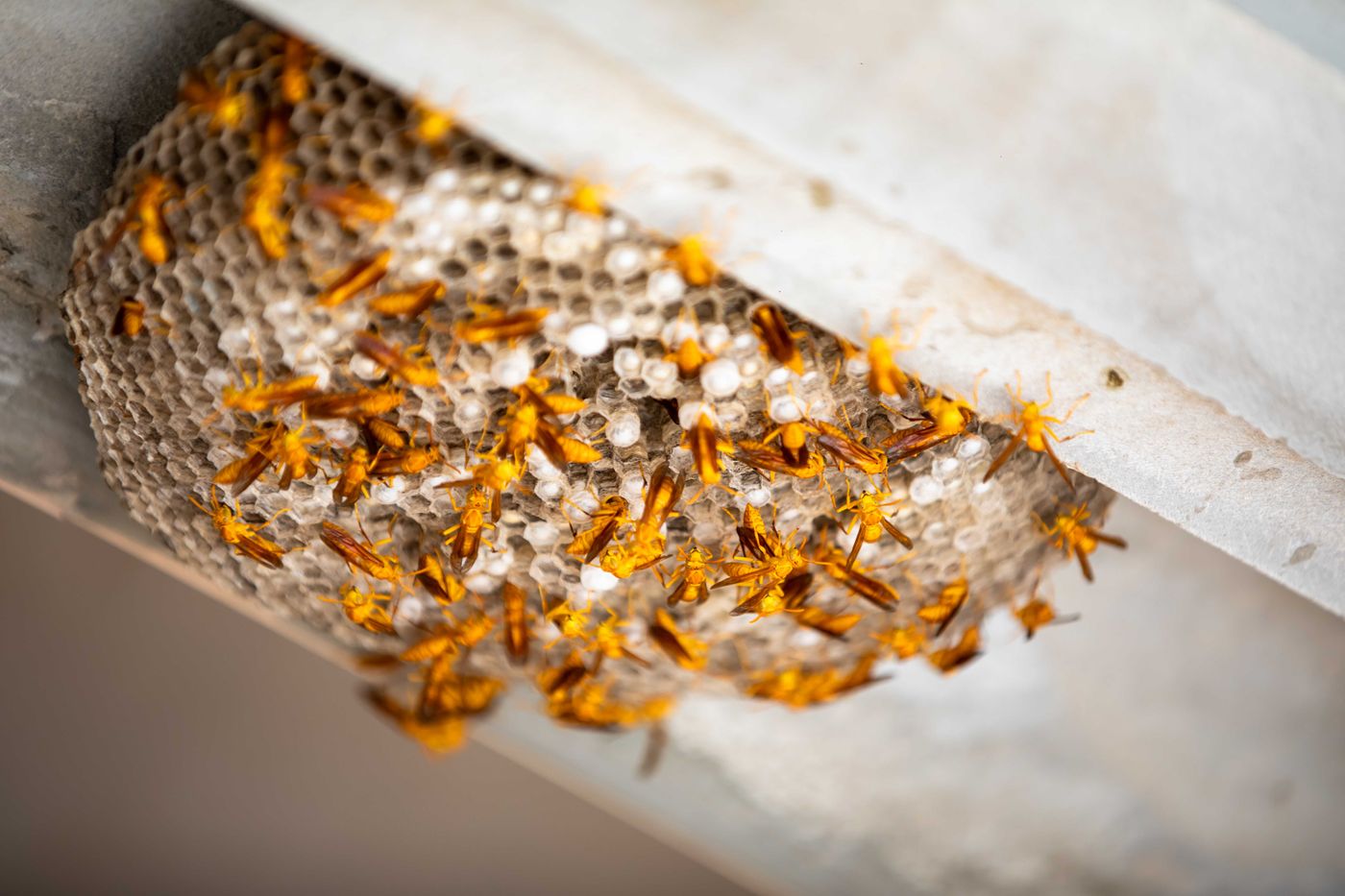
Wasp and bee control is a warm-season problem in Dana Point, building through spring and summer as colonies grow. Yellowjackets and paper wasps nest in eaves, attics, wall voids, and around the hillside and canyon homes where they find shelter and food, and a nest near a door, patio, or play area is a real hazard. Unlike a bee, a wasp can sting repeatedly, and disturbing a mature nest can bring the whole colony out. The safe move is to have an active nest handled rather than knocked down in the moment.
Bees are a different situation. Honey bees are valuable pollinators, and a swarm or an established hive calls for careful handling rather than casual extermination. A local exterminator identifies what you have, removes wasp and yellowjacket nests safely, and handles bee swarms with their value in mind. Trying to knock down a nest yourself is how people end up with a swarm of stings, so the safe path is worth it. Call 000-000-0000.
Yellowjackets, Paper Wasps, and Bees in Dana Point
Identifying what is nesting decides how it is handled:
- Yellowjackets. Aggressive ground and cavity nesters that also build in wall voids and attics, drawn to food and drinks around patios. They sting repeatedly and defend the nest hard.
- Paper wasps. Build the familiar open, umbrella-shaped nests under eaves, in patio covers, and around doorways, less aggressive but still a sting risk near entries.
- Honey bees. Valuable pollinators that swarm in spring and may establish a hive in a wall or cavity. They call for careful handling, not casual spray.
- Why it matters. Wasp nests are removed for safety, while bees warrant an approach that respects their role, so identifying the insect comes first.
Why DIY Nest Removal Is Risky
A can of wasp spray from the store works on a small, new nest in the open, but it is a poor bet on a mature yellowjacket nest or one tucked in a wall void or attic. Spraying a large nest often does not reach the colony inside and instead brings a defensive swarm out at you, and yellowjackets can sting many times. Nests in wall voids are worse to handle wrong, because a nest killed in the wall without proper handling can leave dead insects and, with bees, honey and comb that draws other pests.
There is also the matter of telling bees from wasps. Killing a honey bee swarm that could have been handled carefully is the wrong outcome, and an established hive in a wall is a job of its own. A local exterminator identifies the insect, removes wasp and yellowjacket nests safely, including the ones in voids and attics, and handles bee situations appropriately. For background on wasps, yellowjackets, and bees, the University of California Statewide IPM Program is a useful reference.
How Wasp & Bee Control Works
Treatment starts with identification and safe removal:
- Inspection to identify the insect and locate the nest, whether in eaves, attics, wall voids, or the ground.
- Safe nest removal of yellowjackets and paper wasps, including nests tucked in voids and hard-to-reach spots.
- Appropriate bee handling for swarms and hives, with their value as pollinators in mind.
- Prevention guidance on the eaves, gaps, and food sources that draw wasps back to the property.
Keeping Wasps From Rebuilding
Once a nest is removed, a few steps make a Dana Point property less inviting to the next colony. Wasps look for sheltered nesting spots and easy food, so cutting both lowers the odds they return.
These steps reduce what draws wasps back:
- Seal the entry points. Close gaps in eaves, soffits, and around vents where yellowjackets slip into wall voids and attics.
- Check early and often. Look for small new nests under eaves and in patio covers in spring, when they are easiest to handle.
- Manage food and drink. Keep patio food covered and trash sealed, since yellowjackets are drawn to it late in the season.
- Cover the trash. Keep bins and recycling closed so wasps do not forage around the property.
- Leave mature nests alone. Do not disturb a large or hidden nest yourself, since that is when stings happen.
Mature Nests Are Worth Leaving to a Pro
A small new nest is one thing; a mature yellowjacket colony in a wall void or a paper wasp nest over the front door is another, and disturbing it wrong brings the colony out. A local exterminator who works Dana Point's eaves, attics, and hillside homes removes nests safely and knows when a situation is bees that call for different handling.
You get the insect identified, the nest removed safely, and guidance on keeping wasps from rebuilding, with upfront pricing before any work. No standing under a nest with a spray can and hoping.
Talk to a Local Exterminator
Describe what you are seeing and get an honest, upfront estimate. No obligation, and no pressure to buy more than the problem needs.
Call 000-000-0000More Dana Point Pest Control
Wasp & Bee Control Questions
Should I remove a wasp nest myself?
A small, new, open nest may be manageable, but a mature yellowjacket nest or one in a wall void or attic is risky, since spraying can bring a defensive swarm out and yellowjackets sting repeatedly. A local exterminator removes those safely.
What is the difference between wasps and bees for treatment?
Wasps and yellowjackets are removed for safety, while honey bees are valuable pollinators that warrant careful handling rather than casual extermination. A local exterminator identifies which you have before deciding how to handle it.
When are wasps most active in Dana Point?
Nests build through spring and summer as colonies grow, so late summer is when yellowjacket and paper wasp nests are largest and most defensive. Handling a nest earlier, when it is smaller, is generally easier and safer.
There is a swarm of bees on my property. What do I do?
Keep your distance and do not spray it. A honey bee swarm calls for careful handling given the value of bees. A local exterminator can identify it and handle the swarm or hive appropriately rather than destroying it outright.
Get the Nest Handled Safely
Mon–Fri 7am–7pm · Sat 8am–4pm · Dana Point, CA · upfront pricing, no obligation