Mosquito Control in Dana Point, CA
Daytime bites in the yard? A local exterminator finds the standing water mosquitoes breed in and treats the harborage so you can use the yard again. Call to describe the problem.
- Dana Point & South Orange County
- Family & pet-conscious methods
- Inspect, treat, prevent
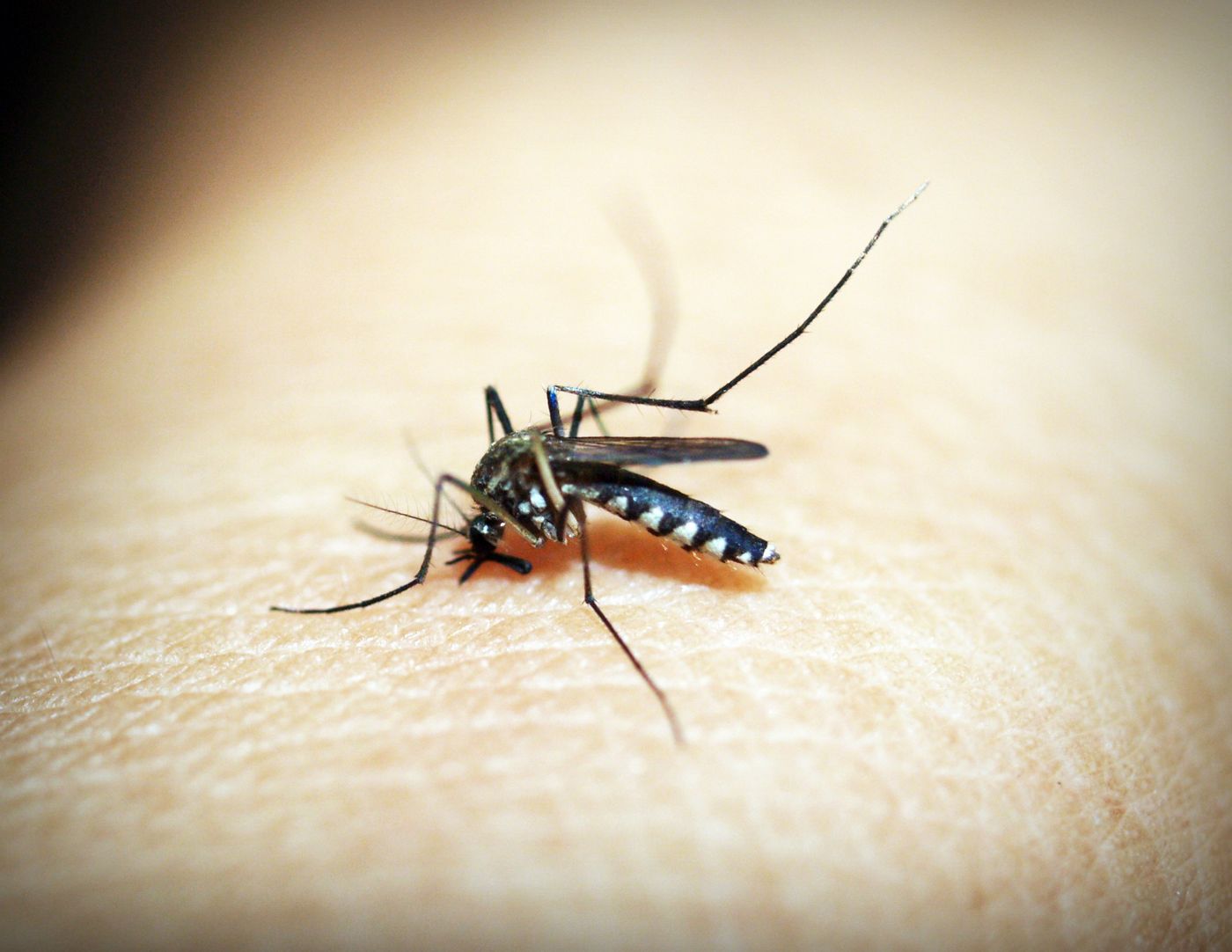
Mosquito control in Dana Point changed with the arrival of invasive Aedes mosquitoes, which are now established across Orange County. Unlike the native mosquitoes people were used to, these are aggressive daytime biters that stay low around ankles and legs and breed in astonishingly small amounts of water. A bottle cap, a plant saucer, a clogged gutter, or a forgotten bucket is enough. That changes the whole approach: the key to mosquito control is finding and removing the breeding water, because you cannot spray your way out of a yard that keeps producing new mosquitoes.
Mosquitoes are more than an itch. They keep families off their own patios and yards, and they can carry disease. Because the invasive Aedes breed in tiny containers close to the home rather than in distant marshes, the source is usually right in the yard. A local exterminator inspects for the breeding sites, treats the harborage where adult mosquitoes rest, and shows you the source reduction that keeps them from coming back. Call 000-000-0000.
Invasive Aedes Mosquitoes in Dana Point
These mosquitoes behave differently, which changes how they are controlled:
- Daytime biters. Invasive Aedes bite during the day, not just at dusk, and stay low around ankles and legs, so they disrupt yard use anytime.
- Tiny breeding sites. They breed in very small amounts of standing water, a saucer, a cap, a gutter, so the source is usually right around the home.
- Close to the house. Unlike native mosquitoes from distant water, these develop in the yard itself, which is why source reduction works so well.
- Why it matters. Spraying adults without removing the breeding water gives only short relief, since new mosquitoes keep emerging from the containers left behind.
Why Source Reduction Is the Key
You cannot spray a mosquito problem away if the yard keeps breeding new ones. The invasive Aedes turn any small container of standing water into a nursery, and they can complete their cycle in under a week during warm weather. That is why the most effective mosquito control starts by finding and eliminating breeding sites: emptying, removing, or treating the water so the next generation never develops. Adult treatment matters too, but it works far better when the source is cut off first.
A local exterminator inspects the property for the easy-to-miss water, plant saucers, gutters, drains, irrigation runoff, tarps, toys, and bromeliads, then treats the shaded harborage where adult mosquitoes rest during the day. Because these mosquitoes breed close to home, a bit of yard upkeep makes a real difference between visits. For guidance on invasive Aedes and reducing breeding sites, the University of California Statewide IPM Program is a reliable reference.
How Mosquito Control Works
Treatment pairs source reduction with harborage treatment:
- Inspection for standing water and breeding sites around the yard, from saucers and gutters to drains and irrigation runoff.
- Source reduction, emptying, removing, or treating the water where mosquitoes breed so new ones never develop.
- Harborage treatment of the shaded, humid spots under shrubs, decks, and dense plantings where adult mosquitoes rest.
- Guidance and follow-up on the yard upkeep that keeps breeding sites from returning between visits.
Cutting Mosquito Breeding Between Visits
Because invasive Aedes breed right around the home, a weekly walk of the yard does a lot to keep mosquito numbers down between treatments. The goal is simple: leave no standing water for them to use.
These steps remove the breeding sites mosquitoes need:
- Empty containers weekly. Tip out saucers, buckets, toys, tarps, and anything that holds water, since a week is enough for a new brood.
- Clear the gutters and drains. Keep gutters and yard drains flowing so water does not pool and breed mosquitoes.
- Fix irrigation runoff. Adjust sprinklers and drainage so water does not collect in low spots and planters.
- Refresh pet and bird water. Change standing water in bowls, fountains, and birdbaths every few days.
- Manage water features. Keep ponds and fountains moving or stocked, and watch water-holding plants like bromeliads.
Local Knowledge Finds the Breeding Water
The invasive Aedes breed in water so small it is easy to walk past, and finding every source in a Dana Point yard is what makes mosquito control work. A local exterminator who treats these properties knows where the water hides, in saucers, gutters, drains, and the shaded harborage along hillside and canyon yards, and treats both the sources and the resting adults.
You get the breeding sites found and cut off, the harborage treated, and upfront pricing before any work. Practical guidance on the yard habits that keep mosquitoes from breeding back, not just a spray that fades in a week.
Talk to a Local Exterminator
Describe what you are seeing and get an honest, upfront estimate. No obligation, and no pressure to buy more than the problem needs.
Call 000-000-0000More Dana Point Pest Control

Mosquito Control Questions
Why are mosquitoes biting me during the day now?
Invasive Aedes mosquitoes, now established in Orange County, are aggressive daytime biters that stay low around the ankles. They are different from the native dusk mosquitoes, and they breed close to the home, which changes how they are controlled.
Why is removing standing water so important?
Because invasive Aedes breed in tiny amounts of water, a cap or saucer is enough, and can develop in under a week. Spraying adults gives short relief if the breeding sites keep producing more. Source reduction cuts the problem off at the start.
Where are the mosquitoes breeding in my yard?
Usually in easy-to-miss water: plant saucers, clogged gutters, drains, tarps, toys, irrigation runoff, and plants like bromeliads that hold water. A local exterminator inspects for these and treats or removes them.
Will one treatment solve it?
Mosquito control works best as an ongoing effort through the warm months, pairing source reduction with harborage treatment and yard upkeep between visits. A local exterminator explains what a realistic plan looks like for your property.
Take Back Your Yard From Mosquitoes
Mon–Fri 7am–7pm · Sat 8am–4pm · Dana Point, CA · upfront pricing, no obligation