Ant Control in Dana Point, CA
Trails of ants across the counter or along the baseboard? A local exterminator finds the colony behind them and treats the source, not just the line you can see. Call to describe the problem.
- Dana Point & South Orange County
- Family & pet-conscious methods
- Inspect, treat, prevent
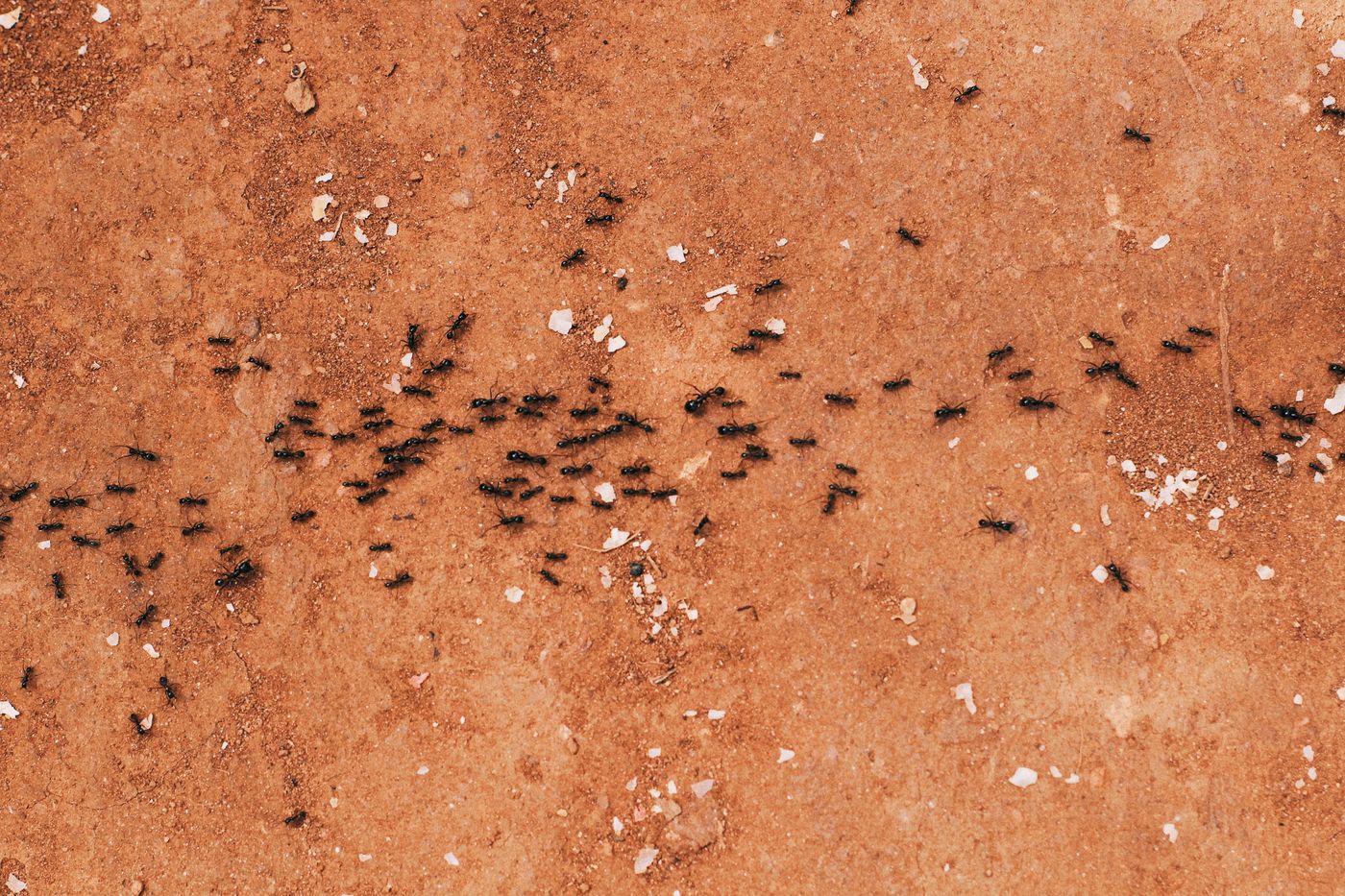
Ant control in Dana Point is a year-round job, because the coast never gets a hard freeze to knock ant colonies back. A trail across the kitchen counter, a line marching along the baseboard, or ants swarming the pet bowl are the visible edge of a colony that lives outdoors and forages inside. Heat, rain, and lawn irrigation all push ants toward the house, so the same trail that shows up in July can reappear after the first winter storm. Killing the ants you see does nothing to the nest, which is why the trail is back in a day or two.
Argentine ants dominate this stretch of the South Orange County coast, from the Lantern District to the hillside homes above Dana Point Harbor. They form huge interconnected supercolonies, so what looks like one problem is often many nests sharing the same foraging trails. A local exterminator identifies the species, follows the trails back to where the ants actually live, and treats the colony so the line stops coming back. Call 000-000-0000 and describe where you are seeing them.
Argentine Ants in Dana Point
Getting the species right decides how a local exterminator treats the problem:
- Argentine ants. Small, uniform brown ants that form massive supercolonies and follow scent trails indoors along counters, baseboards, and plumbing lines. They are the most common ant call on the Dana Point coast.
- Odorous house ants. Give off a coconut smell when crushed and nest in wall voids and under floors, trailing to sweets and moisture.
- Pavement ants. Nest under slabs, driveways, and patios, then push indoors through expansion joints and foundation gaps.
- Why it matters. Argentine ant colonies split and spread when sprayed with the wrong product, which is exactly why store-bought spray often makes the trail worse.
Why DIY Ant Control Fails Here
A can of over-the-counter spray kills the ants on the counter and leaves the colony untouched. Worse, spraying an Argentine ant trail can trigger the colony to bud, splitting into several new nests that scatter through the walls and yard. You end up with more trails in more rooms than you started with. The ants you see are a tiny fraction of a colony that can number in the hundreds of thousands across a coastal supercolony.
The coastal climate compounds it. With no winter freeze, colonies stay active all year, and constant irrigation plus the marine layer keep the soil moist and the ants foraging. A local exterminator uses targeted baits the workers carry back to the queens, along with treatment at the actual nesting sites, so the colony collapses instead of splitting. For guidance on identifying and managing these ants, the University of California Statewide IPM Program is a solid reference.
How Ant Control Works
Treatment is built around reaching the colony, not wiping the visible trail:
- Inspection of the trails, entry points, and likely nesting sites indoors and out, from kitchen and bath plumbing to the foundation and landscaping.
- Species identification, because Argentine ants, odorous house ants, and pavement ants each call for a different approach.
- Targeted baiting and treatment that the workers carry back to the queens, reaching the colony the spray never touches.
- Exterior and prevention work around the foundation, entry points, and moisture sources that draw ants toward the house.
Keeping Ants Out After Treatment
Once the colony is knocked down, a few habits keep Dana Point's year-round ant pressure from putting a new trail back inside. Ants follow food and moisture, so cutting off both does most of the work.
These steps cut the routes and attractants ants rely on:
- Seal the entry points. Caulk gaps around windows, doors, and where pipes and wiring enter, the routes ants trail in through.
- Cut the moisture. Fix leaks, adjust irrigation away from the foundation, and clear standing water that draws foraging ants.
- Clean the trails. Wipe down counters and mop up spills, since ants follow scent trails left by earlier foragers.
- Store food tight. Keep sweets, pet food, and pantry items sealed, and rinse recyclables before they sit.
- Trim the landscaping. Keep shrubs and mulch back from the walls so ants lose the bridge from the yard to the house.
Coastal Colonies Need a Local Eye
Argentine ant supercolonies behave differently than the isolated nests in other climates, and treating them the wrong way makes them spread. A local exterminator who works Dana Point homes knows how these coastal colonies move, where they nest along the bluffs and canyons, and which baits actually reach the queens instead of scattering the workers.
You get the full read: which ant you have, where it is nesting, and a plan to collapse the colony, with upfront pricing before any work. No guesswork, and no product that turns one trail into five.
Talk to a Local Exterminator
Describe what you are seeing and get an honest, upfront estimate. No obligation, and no pressure to buy more than the problem needs.
Call 000-000-0000More Dana Point Pest Control
Ant Control Questions
Why do ants keep coming back after I spray them?
Spray kills the ants on the surface but not the colony, and with Argentine ants it can make the nest split into several. The trail returns because the queens are untouched. A local exterminator baits the colony so it collapses instead.
Why are there so many ants near the coast?
Dana Point's mild climate never freezes, so colonies stay active year-round. Argentine ants form huge supercolonies, and irrigation and the marine layer keep them foraging. Heat and rain both push them indoors along the same trails.
Are the ants in my kitchen dangerous?
Argentine and odorous house ants do not sting or damage the structure, but they contaminate food and surfaces and are hard to clear once the trail is set. If you see winged ants near wood, that can point to termites instead.
Is ant treatment safe around kids and pets?
A local exterminator places baits and treatment where ants travel and nest, not across open living areas, and explains any precaution to follow. Baiting indoors avoids the heavy spraying that scatters a colony anyway.
Stop the Ant Trails at the Source
Mon–Fri 7am–7pm · Sat 8am–4pm · Dana Point, CA · upfront pricing, no obligation