Flea & Tick Control in Dana Point, CA
Fleas biting ankles or ticks on the dog? A local exterminator treats the yard and the home and breaks the life cycle so they do not come back. Call to describe the problem.
- Dana Point & South Orange County
- Family & pet-conscious methods
- Inspect, treat, prevent
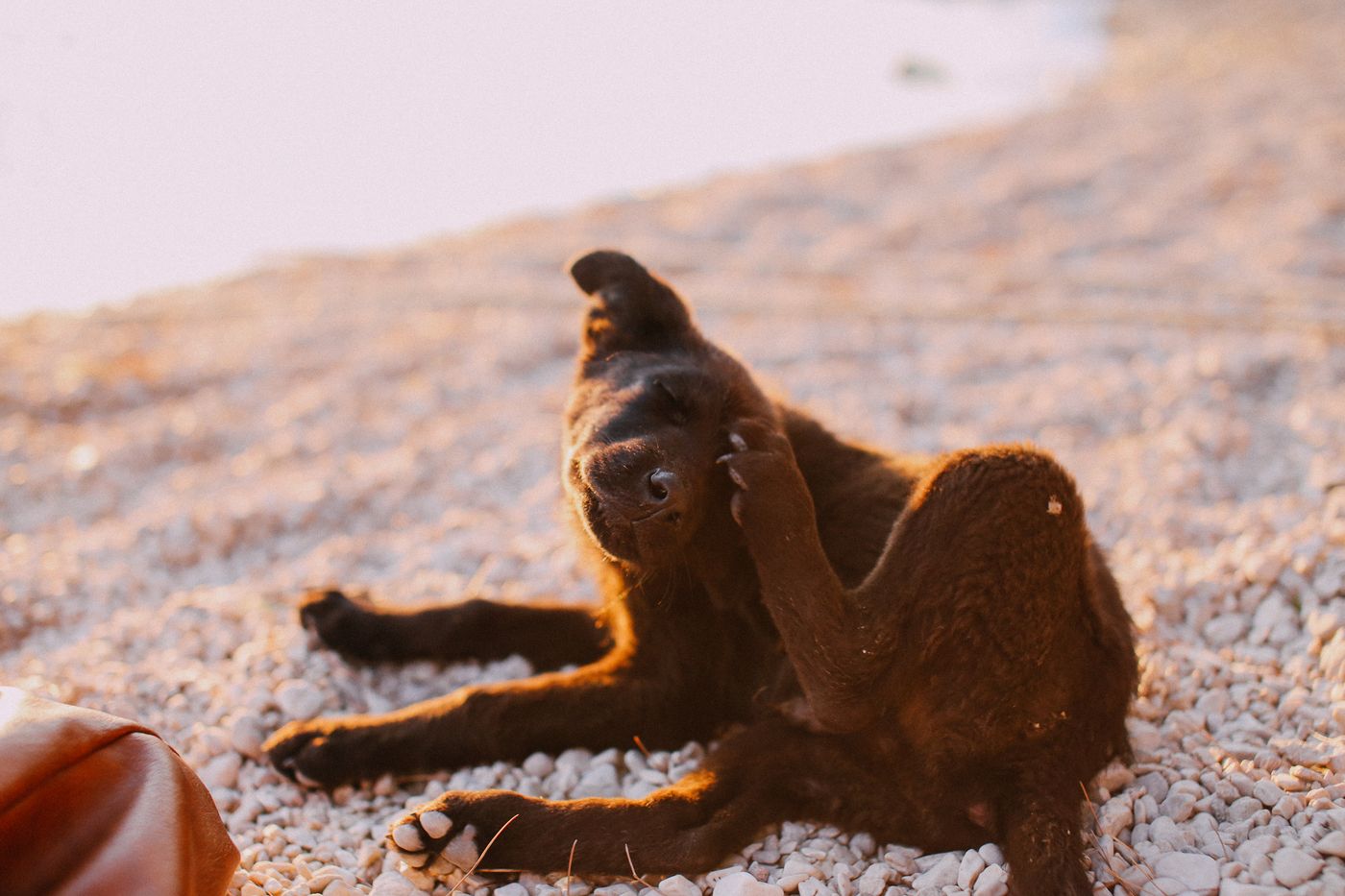
Flea and tick control on the coast is a year-round need, because Dana Point's mild climate never gets cold enough to break the cycle. Fleas and ticks come in on pets and on wildlife, and once fleas are established indoors, the adults you see are a small fraction of the problem. Most of an infestation is eggs, larvae, and pupae hidden in carpet, bedding, and yard soil, waiting to hatch. That is why fleas seem to come back right after you think you have handled them.
Pets are the obvious source, but coastal wildlife keeps the pressure up. Opossums, raccoons, and coyotes move along the canyon and open-space edges of Dana Point, dropping fleas and ticks in yards even in homes without pets. Ticks wait in tall grass and brush along trails and hillside edges. A local exterminator treats both the indoor and outdoor stages and targets the life cycle, not just the adults. Call 000-000-0000.
Why Fleas Keep Coming Back
The flea you see is roughly five percent of the infestation. The rest, the eggs, larvae, and pupae, are down in the carpet fibers, under furniture, in pet bedding, and out in shaded yard soil. Adult-killing sprays and flea bombs hit the visible adults and leave the developing stages untouched, so a new wave hatches days later and the problem looks like it never left. The pupae are especially stubborn, protected in a cocoon that shrugs off many products until they emerge.
Breaking that cycle takes treatment aimed at every stage in every place fleas develop, indoors and in the yard, timed to catch the emerging fleas. A local exterminator treats the home and the outdoor harborage together, because treating one and not the other just leaves a reservoir to reinfest from. Pairing that with your veterinarian's flea control on the pets is what actually ends it. For background on the flea life cycle and management, the University of California Statewide IPM Program is a useful reference.
Ticks and Coastal Wildlife in Dana Point
Ticks and fleas ride in from more than just pets:
- Coastal wildlife. Opossums, raccoons, and coyotes travel the canyon and open-space edges and drop fleas and ticks in yards, even at homes without pets.
- Yard harborage. Shaded, humid spots under decks, shrubs, and leaf litter give flea larvae and ticks the conditions they need.
- Trail and brush edges. Ticks wait on tall grass and brush along the hillside and canyon interface, latching onto pets and people that pass.
- Year-round activity. The mild coast means fleas and ticks never fully die back seasonally, so pressure continues through the winter.
How Flea & Tick Control Works
Treatment targets the life cycle indoors and out:
- Inspection of the home and yard to find where fleas and ticks are developing, from carpet and bedding to shaded soil and brush edges.
- Indoor treatment of carpet, flooring, and harborage that reaches the larvae and pupae, not just the adults.
- Yard treatment of the shaded, humid spots and brush edges where fleas and ticks live outdoors.
- Coordination with pet care, since your veterinarian's flea and tick products on the animals are part of ending the cycle.
Keeping Fleas and Ticks Down on the Coast
After treatment, reducing yard harborage and staying on top of pet care keeps Dana Point's year-round flea and tick pressure from rebuilding. The developing stages live in shaded soil and bedding, so managing those spots matters most.
These steps take away the conditions fleas and ticks need:
- Open up the yard. Trim shrubs and cut tall grass along fences and hillside edges so shaded, humid harborage dries out.
- Clear leaf litter. Rake up debris under decks and along the foundation where flea larvae and ticks develop.
- Discourage wildlife. Secure trash and pet food so opossums, raccoons, and coyotes are not drawn in from the canyon edge.
- Wash pet bedding. Launder bedding regularly and vacuum carpets and furniture to lift eggs and larvae.
- Stay on pet care. Keep your veterinarian's flea and tick products current, since the pets are part of the cycle.
The Coast Keeps Fleas Active All Year
Because Dana Point never gets a hard freeze, fleas and ticks stay active through the winter, and the canyon and open-space wildlife keep restocking yards. A local exterminator who works these properties treats the indoor and outdoor stages together and times it to the life cycle, so the fleas that hatch after the first treatment are handled instead of restarting the problem.
You get the home and yard addressed, guidance on coordinating with your vet, and upfront pricing before any work. A plan aimed at the eggs and larvae, not just the fleas you can see today.
Talk to a Local Exterminator
Describe what you are seeing and get an honest, upfront estimate. No obligation, and no pressure to buy more than the problem needs.
Call 000-000-0000More Dana Point Pest Control
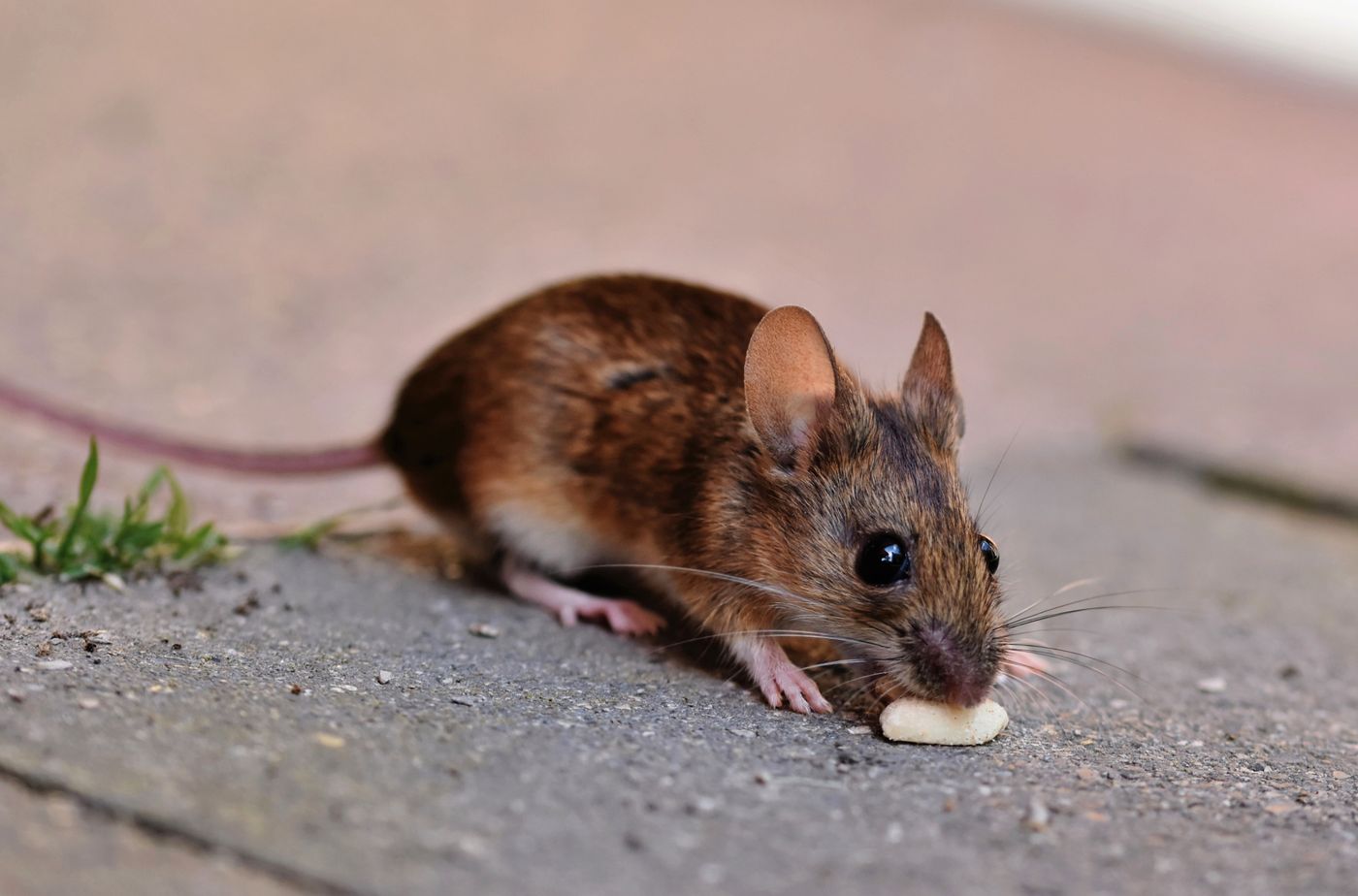
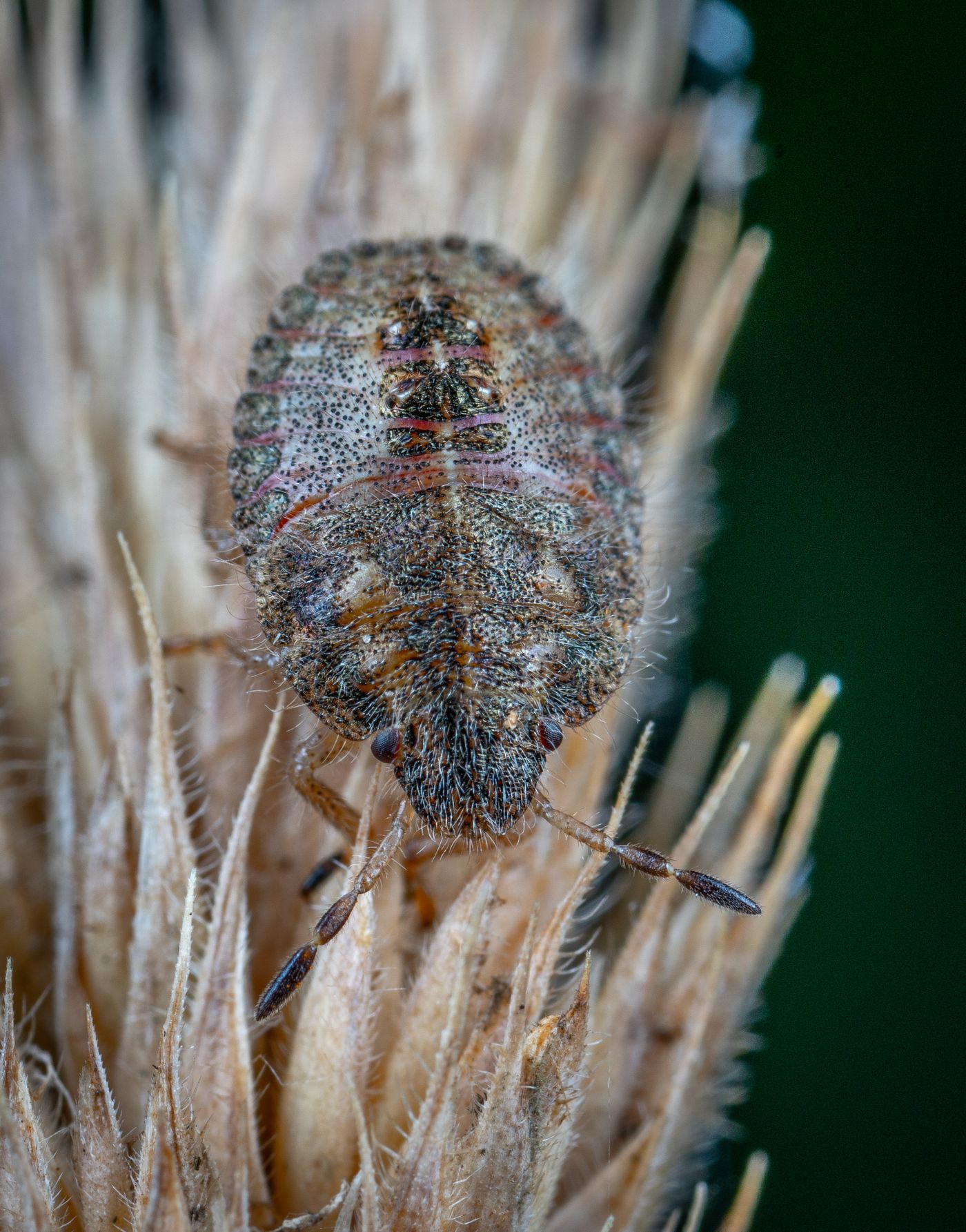
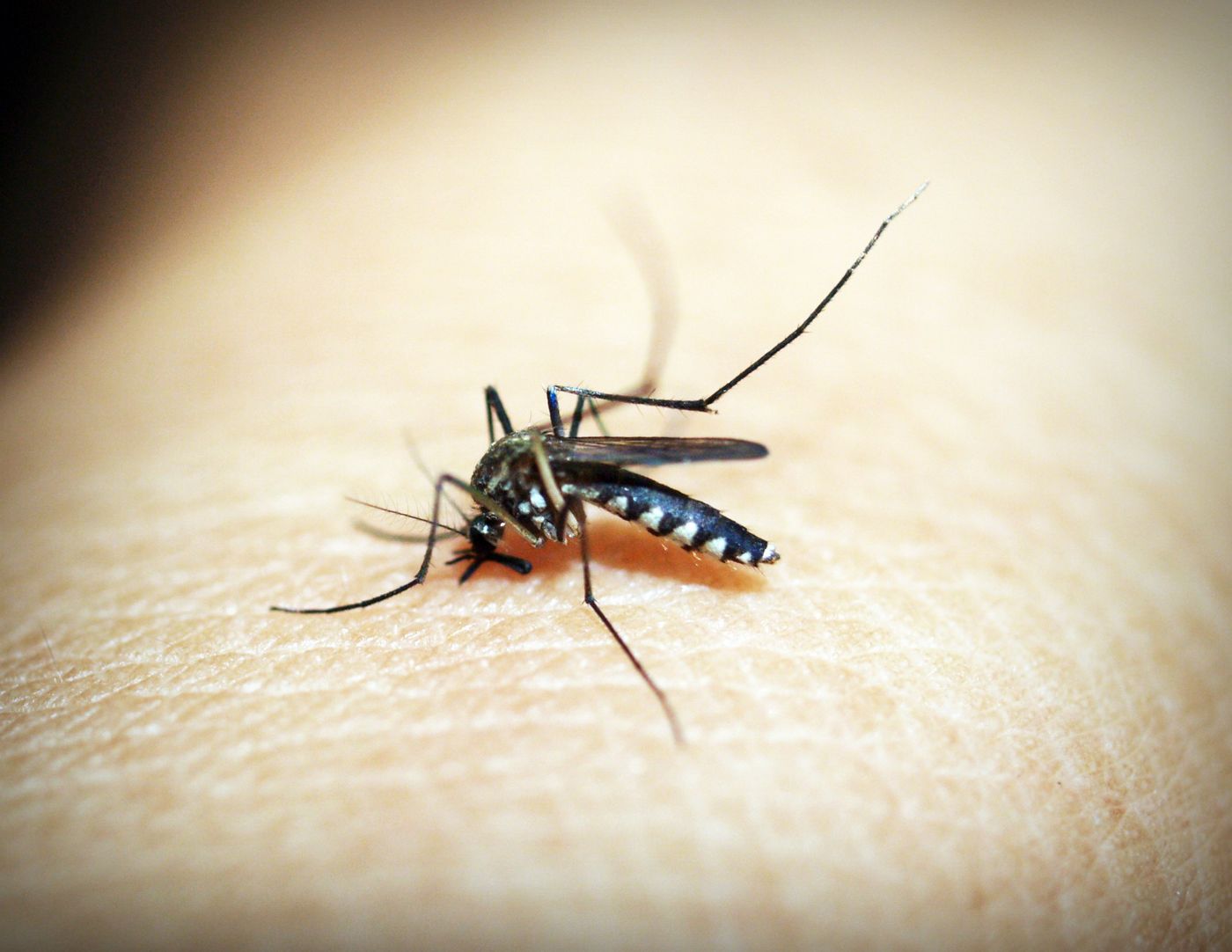
Flea & Tick Control Questions
Why do the fleas come back after I treat?
Because the adults you see are a small part of the infestation. The eggs, larvae, and pupae in carpet, bedding, and yard soil keep hatching. Treatment has to target every stage, indoors and out, timed to catch the emerging fleas.
I do not have pets. Why do I have fleas or ticks?
Coastal wildlife brings them in. Opossums, raccoons, and coyotes travel the canyon and open-space edges of Dana Point and drop fleas and ticks in yards. Ticks also wait in brush along trails and hillside edges.
Do I need to treat the yard too?
Usually yes. Fleas and ticks develop outdoors in shaded, humid spots under decks, shrubs, and leaf litter. Treating only indoors leaves an outdoor reservoir to reinfest from, so a local exterminator treats both.
What about my pets during treatment?
Your veterinarian's flea and tick products on the animals are an important part of ending the cycle, alongside the home and yard treatment. A local exterminator explains how the two work together and any precaution to follow.
Break the Flea and Tick Cycle
Mon–Fri 7am–7pm · Sat 8am–4pm · Dana Point, CA · upfront pricing, no obligation