Termite Control in Dana Point, CA
Termites work out of sight until the damage shows. A local exterminator inspects the wood, identifies the type, and walks you through the treatment options. Call to schedule a look.
- Dana Point & South Orange County
- Family & pet-conscious methods
- Inspect, treat, prevent
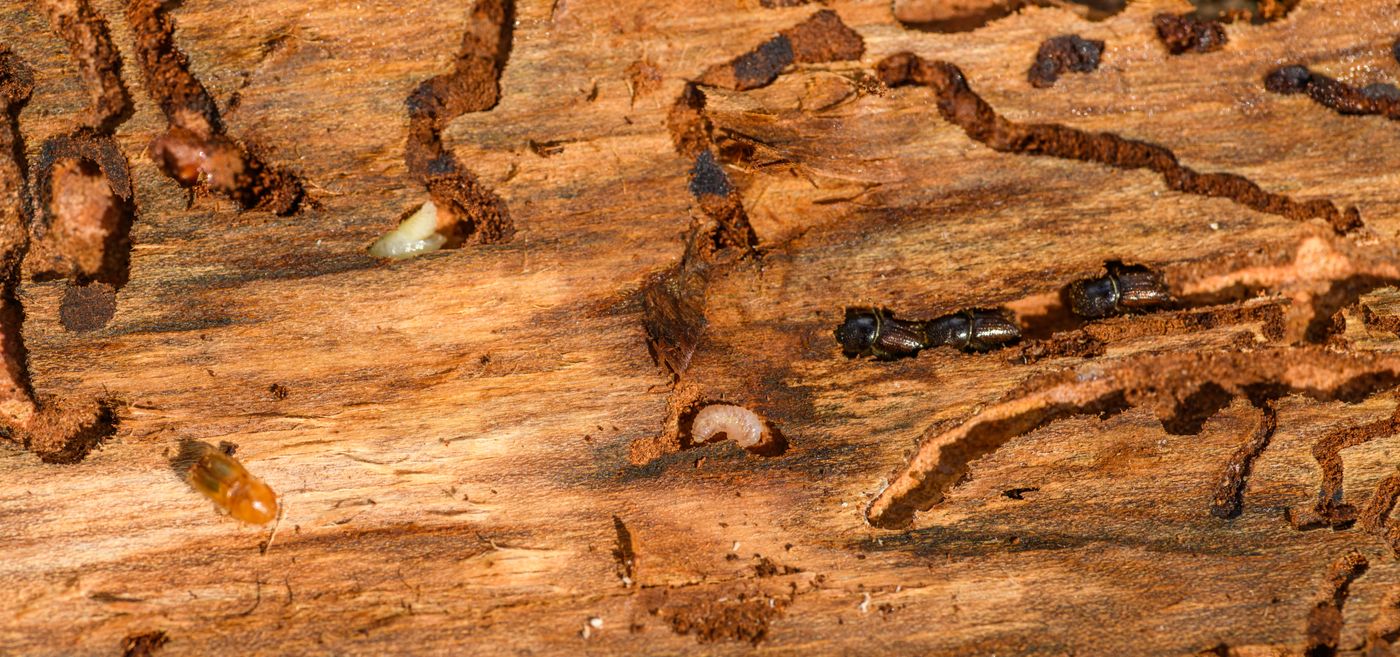
Termite control matters more in Dana Point than in most places, because the older beach cottages, hillside homes, and exposed wood along the coast give termites plenty to feed on. Termites work quietly inside framing, eaves, and subfloors, and by the time you see mud tubes, discarded wings on a windowsill, or a soft spot in the trim, they have usually been active for a while. The damage is slow, but it is structural, and it does not stop on its own. An inspection is how you find out what you are dealing with before it gets expensive.
Two kinds of termite show up on the South Orange County coast. Drywood termites infest dry, sound wood above ground, common in the eaves, attics, and exposed framing of older Capistrano Beach and Lantern District homes. Subterranean termites live in the soil and reach wood where it meets the ground at the slab or foundation. A local exterminator identifies which one you have and explains the treatment options, from tenting and fumigation to local and soil treatments, without promising a specific outcome. Call 000-000-0000.
Drywood vs. Subterranean Termites in Dana Point
The type of termite decides the treatment, so identification comes first:
- Drywood termites. Nest inside dry wood above ground, in eaves, attics, framing, and trim. They leave small piles of pellets and are common in older coastal cottages with exposed wood.
- Subterranean termites. Live in the soil and build mud tubes up the foundation to reach wood at ground contact. They need soil moisture, which the coast and irrigation supply.
- Swarmers. Winged termites that appear indoors or drop their wings on sills are a sign of an active colony nearby, not a passing nuisance.
- Why it matters. Drywood infestations may call for fumigation or local treatment, while subterranean colonies call for soil treatment or baiting. The wrong approach leaves the colony working.
How Termite Treatment Works
There is no single termite treatment, which is why the inspection comes first. For drywood termites confined to a section of wood, a local exterminator may recommend local treatment of the infested members, while a widespread drywood infestation can call for whole-structure fumigation, the tenting you see on older homes. Subterranean termites are handled at the soil, with liquid treatment or a baiting system that reaches the colony through the workers. Each has trade-offs in cost, disruption, and scope.
What a local exterminator will not do is promise a specific result before seeing the wood. The honest path is an inspection that maps where the termites are active, an explanation of the realistic options, and upfront pricing for the approach you choose. For background on the termite types found in California and how each is treated, the University of California Statewide IPM Program is a useful, non-commercial reference.
Signs of Termites in a Coastal Home
Termites hide, but they leave evidence a local exterminator can read:
- Mud tubes running up the foundation, pier posts, or interior walls, the calling card of subterranean termites.
- Pellets, small ridged droppings that pile up below drywood galleries in eaves, attics, and window frames.
- Discarded wings on sills and floors after a swarm, often the first sign a homeowner notices.
- Hollow or blistered wood that sounds papery when tapped, along with sagging trim, sticking doors, and soft baseboards.
Lowering Termite Risk on the Coast
Treatment handles an active infestation, but a few conditions around a Dana Point home make termites more or less likely to return. Both drywood and subterranean termites need the right moisture and wood access, so managing those helps the treatment hold.
These reduce the conditions termites depend on:
- Break wood-to-soil contact. Keep framing, siding, and posts from touching the soil, the main path subterranean termites use.
- Control moisture. Fix leaks, direct irrigation away from the foundation, and ventilate crawl spaces so the wood stays dry.
- Seal exposed wood. Maintain paint and sealant on eaves, trim, and siding, which makes drywood entry harder.
- Clear the perimeter. Move firewood, lumber, and debris away from the structure so they do not become a bridge.
- Watch for swarms. Report winged termites or dropped wings early, before a small colony spreads through the framing.
Older Coastal Homes Hide Termite Damage
The exposed eaves, wood siding, and crawl spaces of Dana Point's older cottages and hillside homes give termites the entry points and the food they need, and the damage stays hidden in framing until it is significant. A local exterminator who inspects these coastal homes knows where drywood and subterranean termites turn up and reads the evidence instead of guessing at it.
You get an honest assessment of what is active, a clear explanation of the treatment options and their trade-offs, and upfront pricing before any work. No pressure toward the most expensive route, and no promises no one can keep.
Talk to a Local Exterminator
Describe what you are seeing and get an honest, upfront estimate. No obligation, and no pressure to buy more than the problem needs.
Call 000-000-0000More Dana Point Pest Control


Termite Control Questions
How do I know if I have drywood or subterranean termites?
Mud tubes on the foundation point to subterranean termites; small pellet piles under eaves and framing point to drywood. Swarmers and dropped wings can come from either. A local exterminator confirms the type on the inspection.
Does my house need to be tented?
Not always. Tenting and fumigation address a widespread drywood infestation, but a localized problem may be handled with local treatment, and subterranean termites are treated at the soil. The inspection determines which fits your situation.
Are termites common in Dana Point?
Yes. The mild coastal climate and the older wood-framed homes near the harbor, Capistrano Beach, and the Lantern District make both drywood and subterranean termites a regular find here. Exposed eaves and soil contact are common entry points.
How often should a coastal home be inspected?
A periodic termite inspection is worthwhile for older wood-framed homes near the coast, and before buying or selling. Catching activity early keeps a contained problem from becoming a structural one. A local exterminator can advise on timing.
Get an Honest Termite Inspection
Mon–Fri 7am–7pm · Sat 8am–4pm · Dana Point, CA · upfront pricing, no obligation